
Ceiling Installation Drywall Screw: A Complete Selection Guide
A ceiling installation drywall screw is a bugle-head, case-hardened screw used to fix gypsum board to wood studs or light gauge steel studs in the overhead plane of a building. The screw is small, but the board it holds is working in tension above people, services, and finished surfaces. Getting the thread type, length, or coating wrong overhead is a far more expensive mistake than getting it wrong on a wall.
This guide answers four questions in sequence: what a ceiling installation drywall screw actually is, why overhead installation changes screw selection, what the verified market and standards background looks like, and how a buyer should select and verify a specification step by step before a first order.
What a Ceiling Installation Drywall Screw Is
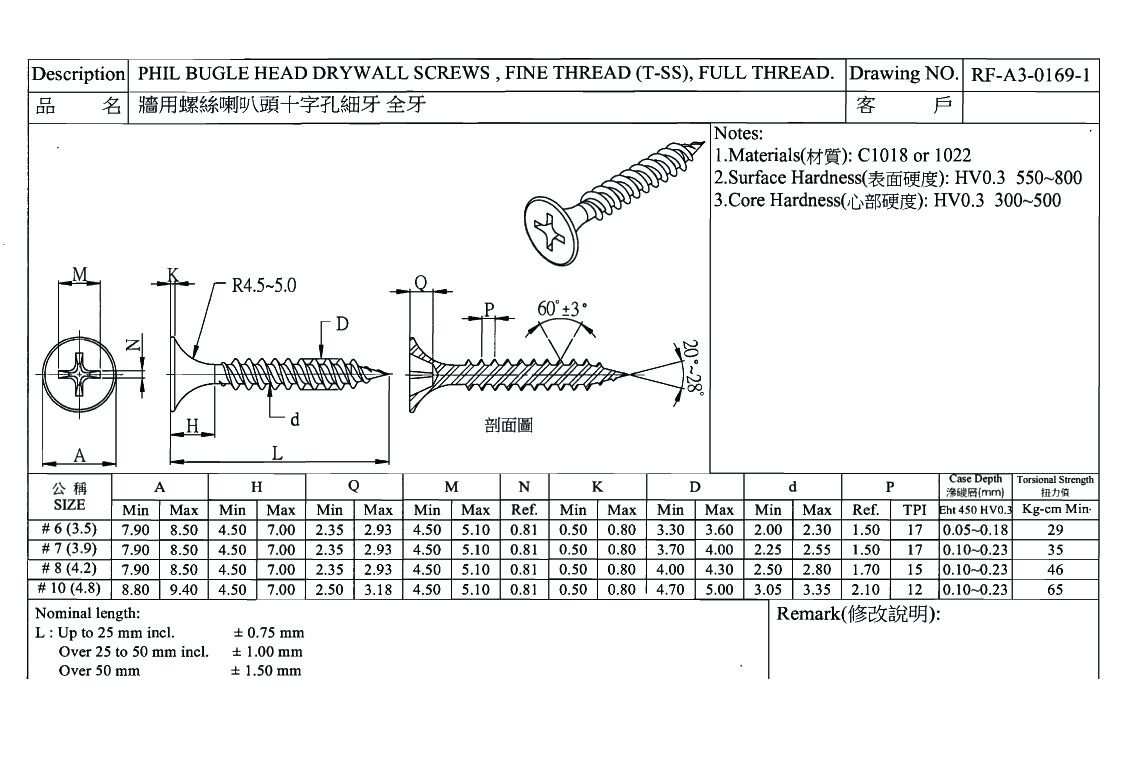
A drywall screw is a case-hardened carbon steel screw with a bugle head, a Phillips drive, and either a coarse or a fine thread, used to fasten gypsum board to wood studs or light gauge steel studs. A ceiling installation drywall screw is the same product family specified for the overhead plane of a building: the ceiling.
The term describes an application, not a separate product category. The same screw model can serve a wall or a ceiling; what changes is the substrate it enters, the length required to reach the framing, and the corrosion environment above the board. That is why the selection process described later in this guide starts with the assembly, not with the screw.
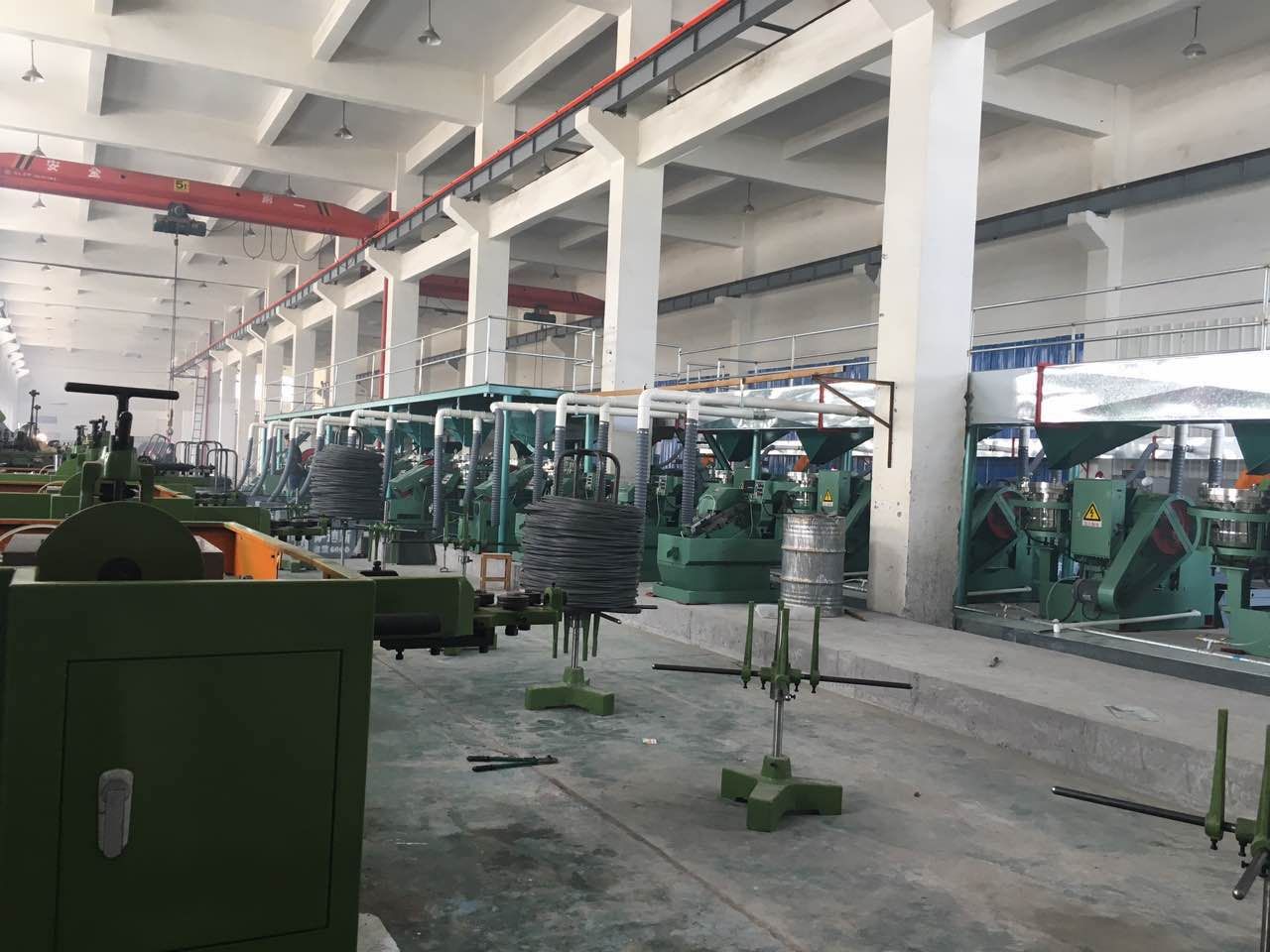
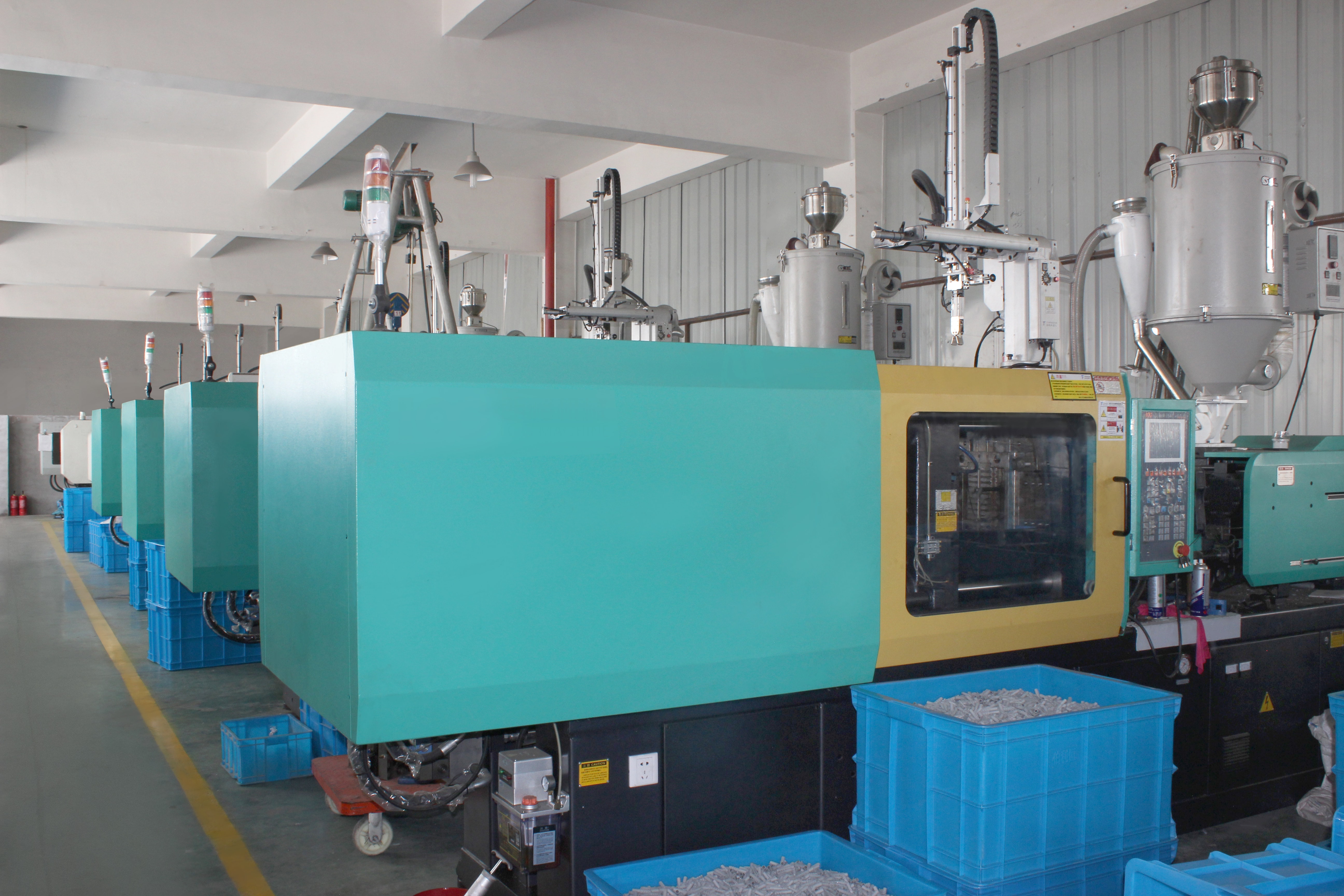
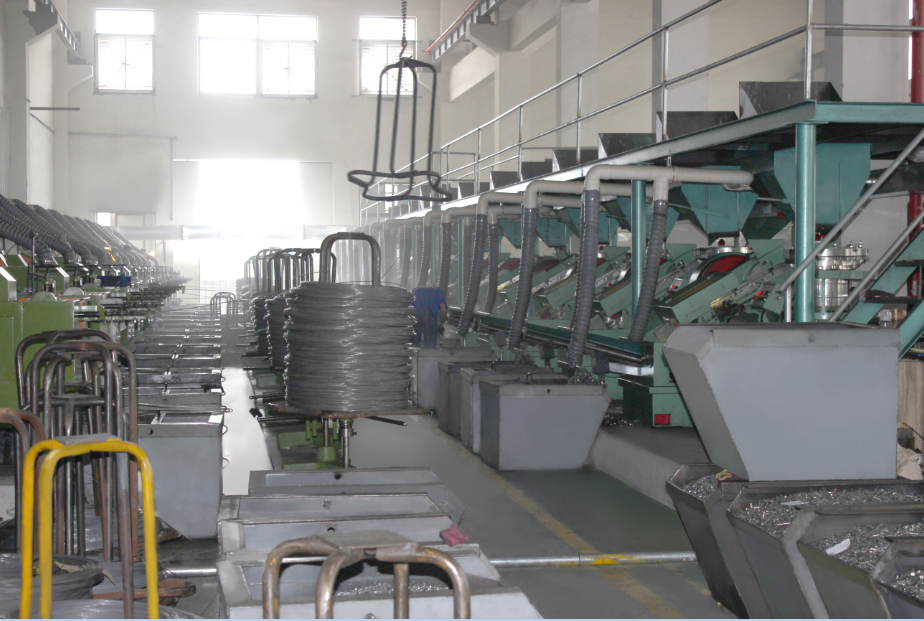
Ningbo Weifeng Fastener Co., Ltd. is a China-based fastener manufacturer established in 2013, operating a 7,000 m² facility and exporting approximately 90% of its output. Its drywall screw is designated model C1022A-PH-BUGLE and is offered in fine thread, coarse thread, black phosphated, bugle head, and collated configurations.
Published specification of the Weifeng drywall screw
- Model designation: C1022A-PH-BUGLE
- Size range: 3.5 mm – 4.8 mm (#6 – #10)
- Length range: 13 mm – 150 mm (1/2 in – 6 in)
- Finish options: black phosphated, grey phosphated, zinc plated
- Head type: bugle head
- Drive type: Phillips #2
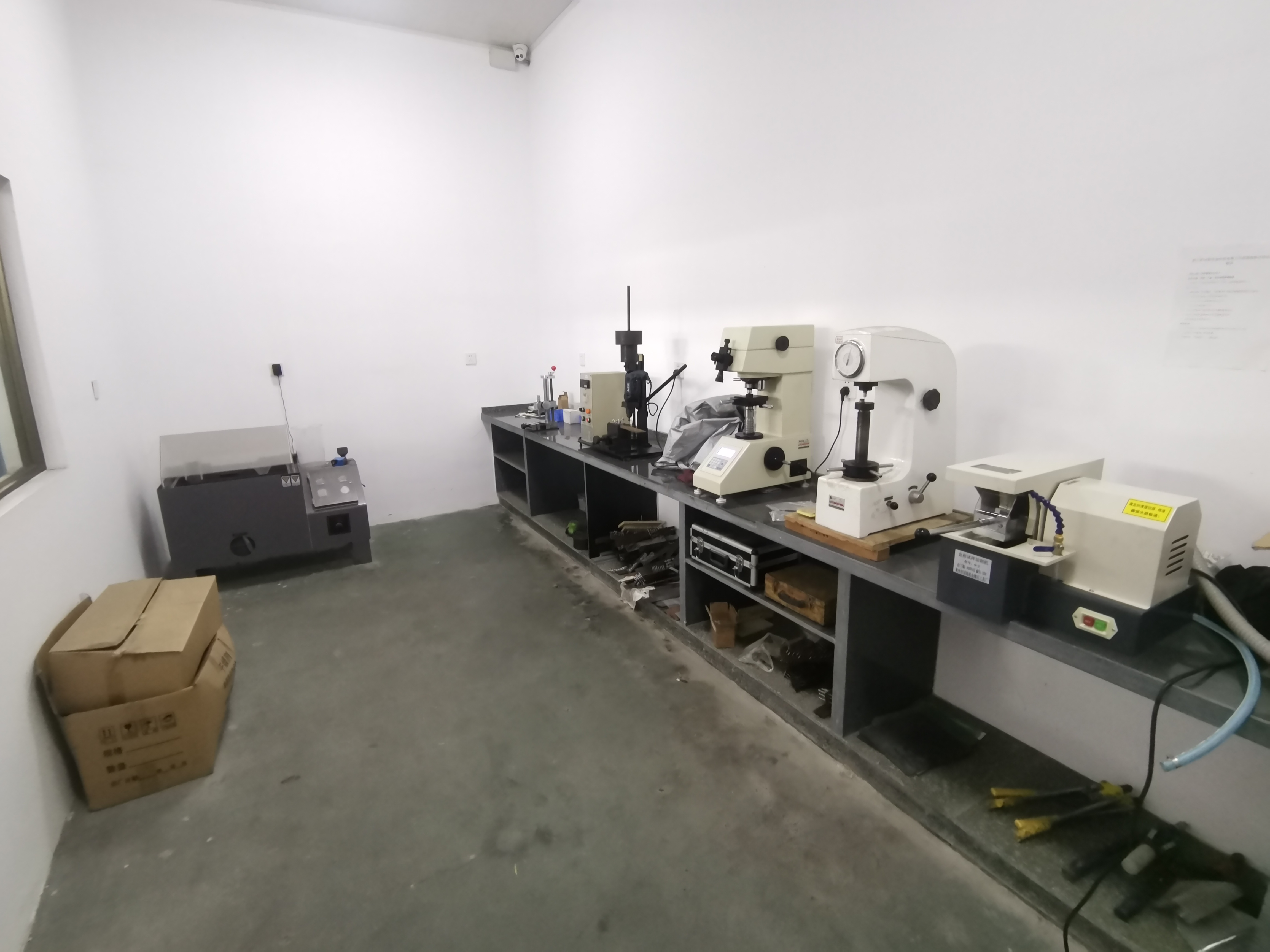
- Hardness: surface minimum 550 HV, core 300–450 HV
- Material: C1022A case hardened carbon steel
- Stated applications: interior decoration, construction engineering, gypsum board installation, partition wall construction, furniture manufacturing
The functional logic behind the bugle head is straightforward: the head is designed to countersink into the board face without tearing the surface paper. Tearing is a cosmetic problem on a wall and a structural concern on a ceiling, because damaged face paper removes the paper-to-core bond that keeps the board skin engaged around the fastener.
Why Ceiling Installation Changes Screw Selection
On a wall, the board is held against a vertical substrate and gravity is largely neutral. On a ceiling, the same board is held from above, and every screw works in tension. That single change cascades into four selection consequences.
1. Substrate decides the thread, and thread is not interchangeable
In this product range, coarse thread configurations are specified for wood stud installation, while fine thread configurations are specified for light gauge steel stud installation. The two are not substitutes. A coarse sleeve of thread entering a thin steel stud has too few engagement points to develop reliable holding power, and the decision cannot be made by eye: as industry guidance states, do not assume interchangeability based on thread appearance alone.
The practical procedure is to identify the stud material first, measure steel thickness or wood condition second, and then match the thread type from the specification sheet before anything is installed.
2. Length must reach framing through the board, not just through the board
A ceiling screw has to pass through the full board thickness and still develop thread engagement in the stud. Because ceilings frequently use boards of different thickness than walls, the same nominal screw length cannot be assumed to transfer. The available length range of 13 mm to 150 mm covers the common ceiling configurations, but the specification must be derived from board thickness plus required embedment, not from whatever length was last purchased.
3. Head seating quality is visible on a ceiling
Ceilings are viewed at close range and lit from below, so a proud head or a torn paper edge is immediately visible. Correct countersinking depends on the bugle head profile, the drive fit, and the surface hardness of the screw. If a screw's surface hardness is too low, the drive recess deforms and the screw cannot be set consistently.
4. Coating is defined by the environment above the board
The plane above a ceiling may hold plumbing, HVAC equipment, or unconditioned space. Standard black phosphate coating provides an industry baseline of 48 hours of salt spray resistance under ASTM B117 and is intended for indoor, climate-controlled environments. Where moisture, condensation, or humid service cavities are expected, finish selection must be reviewed rather than defaulted.
Industry Background: Demand, Standards, and Performance Baselines
Ceiling screws sit inside a commodity market with clear volume drivers. Published market research places the global drywall screws market at USD 2.18 billion in 2025, projected to reach USD 3.04 billion by 2033. Within that demand, residential construction housing starts are reported to drive 58% of global drywall screw demand.
A second structural shift affects specification practice. Collated drywall screws are reported to account for approximately 36% of product demand in the collated screw market, with growth attributed to modular and prefabricated construction rather than to traditional site-built assembly. For a ceiling contractor running large panel installations, collated screws are an assembly-speed decision as much as a fastener decision.
On the standards side, DIN 18182-1 specifies Type TN (trumpet head, double continuous thread) for 3.5 mm diameter drywall screws with lengths from 25 mm to 55 mm. That is a useful benchmark because it shows the standard governs head geometry, thread configuration, diameter, and length together rather than thread alone.
One procurement caution deserves emphasis here. A standard reference, a certification, and a product conformity statement are three different things. A supplier page can name a standard without holding a certificate for that product; a product listing can state that an item is not certified; and a manufacturer can hold a general quality certification that is separate from any single SKU. The three should be held separately in a buyer's qualification file, and DIN or ANSI compliance should be requested as documented evidence for the exact product being quoted.
Detailed Solution: Matching Screw Specification to Ceiling Conditions
The solution is a specification match, performed in a fixed order. Each decision narrows the next one.
Step 1 — Confirm the framing material
Wood studs or light gauge steel studs. This is the single decision that determines thread type. Publicly listed product information supports the same split: a steel drywall screw listed for the US market is described as being for attaching drywall to wood studs or to 25-gauge metal studs, while another listed product specifies coarse thread for light-gauge configurations.
Step 2 — Match thread to framing
Coarse thread for wood stud installation; fine thread for light gauge steel stud installation. Both configurations are available under the Weifeng drywall screw model C1022A-PH-BUGLE.
Step 3 — Determine length from board thickness plus embedment
The Weifeng drywall screw range covers 13 mm to 150 mm in length, with diameters from 3.5 mm to 4.8 mm (#6 to #10). The shorter end of that range suits single-layer thin board; the longer end is used where thicker or multi-layer ceiling build-ups must reach the stud.
Step 4 — Verify head and drive geometry
Bugle head with Phillips #2 drive. On a ceiling, a consistent drive fit is what allows repeatable countersinking along a full panel run without stripping the recess.
Step 5 — Select finish against the service environment
Black phosphated and grey phosphated finishes are applied to the drywall screw for corrosion resistance; zinc plating is available as an alternative finish. Phosphate improves paint adhesion and acts as a physical barrier, whereas zinc plating generally provides longer-term protection through sacrificial action. For interior, climate-controlled ceiling voids, the phosphate baseline is normally adequate; where humidity is present, the finish decision should be documented rather than assumed.
Step 6 — Confirm hardness values in the quotation
Weifeng's published drywall screw hardness is a surface minimum of 550 HV with a core of 300–450 HV, on C1022A case hardened carbon steel. Surface hardness governs drive-recess durability; core hardness governs toughness. Both should appear in the technical data for the quoted SKU, not only in a generic product description.
Step 7 — Run a trial installation before volume ordering
Drive a representative run of screws into the actual ceiling substrate, using the actual board and the actual tooling. Check countersinking depth, paper condition around the head, thread engagement, and stripping behavior. If stripping or poor engagement occurs, stop and re-check the substrate and thread match before continuing.
Comparison Tables for Ceiling Screw Selection
Thread configuration by substrate
| Thread configuration | Specified substrate in this product range | Selection rule |
|---|---|---|
| Coarse thread drywall screw | Wood stud installation | Use when the ceiling framing is timber and the thread must bite into a fibrous substrate. |
| Fine thread drywall screw | Light gauge steel stud installation | Use when the ceiling framing is thin steel and maximum thread engagement points are needed per unit of length. |
Coating performance comparison
| Coating | Protection mechanism | Typical fit |
|---|---|---|
| Black phosphate | Physical barrier; better paint adhesion; corrosion proceeds faster once the barrier is breached | Industry baseline of 48 hours salt spray resistance under ASTM B117, suited to indoor climate-controlled environments |
| Zinc plated | Sacrificial protection; generally superior long-term corrosion protection | Where the ceiling void is humid, unheated, or otherwise outside climate-controlled conditions |
Attribute-level comparison of publicly listed drywall screws
| Listed product | Application as listed | Material | Thread | Head / drive | Point | Finish |
|---|---|---|---|---|---|---|
| Weifeng drywall screw, model C1022A-PH-BUGLE | Gypsum board installation, partition wall construction, interior decoration, ceiling-related interior fit-out | C1022A case hardened carbon steel | Coarse and fine thread configurations | Bugle head / Phillips #2 | Sharp piercing point | Black phosphated, grey phosphated, zinc plated |
| Cully drywall screw, 6 x 1 inch | Attaching drywall to wood studs or 25-gauge metal studs | Steel | Coarse thread | Bugle head / Phillips | Sharp point | Yellow zinc plated |
| RzR drywall screw, DSC83P | Drywall attachment as listed | Steel | Coarse thread | Bugle/flat head / Phillips #2 | Type W point | Black phosphate |
Scope note: the table above compares attributes that are explicitly published for each individual product. It is an attribute list, not a ranking, and it does not support any generalisation about industry-wide practice, prevalence, or comparative performance. Prices, capacity, and market share are outside the comparison because no comparable figures exist for those dimensions.
Use Cases for Ceiling Installation Drywall Screws
Gypsum board ceilings on wood stud framing
Coarse thread drywall screws are specified for wood stud installation. Typical applications in this range include gypsum board installation and partition wall construction, with the same product family used for ceiling planes where the framing is timber.
Ceilings on light gauge steel stud framing
Fine thread drywall screws are specified for light gauge steel stud installation. This is the configuration usually encountered in commercial interior fit-out, where ceiling and partition framing is formed from thin-gauge steel sections.
Prefabricated and modular ceiling panels
With collated drywall screws reported at approximately 36% of demand in the collated screw market and growth attributed to modular and prefabricated construction, collated configurations are the practical choice where ceiling panels are assembled off-site or where installation speed per square metre is the governing cost.
Interior decoration and mixed building work
Background: interior decoration projects frequently combine ceiling, partition, and furniture work in one scope. Weifeng's drywall screw is listed for interior decoration, construction engineering, gypsum board installation, partition wall construction, and furniture manufacturing, which allows a single supplier to cover a mixed ceiling and joinery package.
Heavier fittings in a hollow ceiling
A drywall screw fixes board to framing; it does not carry a fitting. Where ceiling lights or bathroom accessories must be fixed into a hollow ceiling or a fragile board, a dedicated fixing should be used instead. A spring toggle bolt, for example, is specified for overhead hollow ceiling fixing with thread sizes from M3 to M10 and lengths from 50 mm to 100 mm in zinc plated carbon steel, expanding automatically by spring force and distributing load across the board. Board fixing and fixture support are separate design decisions and should be specified separately.
FAQ: Ceiling Installation Drywall Screws
Do ceiling drywall screws have to comply with DIN 18182-1?
DIN 18182-1 specifies Type TN, a trumpet head with a double continuous thread, for 3.5 mm diameter drywall screws with lengths from 25 mm to 55 mm. Whether that applies to your project depends on the project specification and the destination market, not on the screw category generally. Because a standard reference and a product conformity certificate are different documents, a buyer should request the drawing, material certificate, and inspection report for the exact SKU being quoted, rather than accepting a category-level compliance statement.
What is the difference between coarse thread and fine thread drywall screws for ceiling installation?
Coarse thread configurations are specified for wood stud installation, and fine thread configurations are specified for light gauge steel stud installation. In the Weifeng drywall screw range both thread types sit under the same model designation, C1022A-PH-BUGLE. Selection depends on stud material and thickness, point type, and the specific product rating, and thread types should not be treated as interchangeable based on appearance alone. Confirm the substrate, match the thread to the specification sheet, and then run a trial installation.
Which coating is suitable for an indoor ceiling?
Standard black phosphate coating provides an industry baseline of 48 hours of salt spray resistance under ASTM B117 and is intended for indoor, climate-controlled environments. Zinc plating is also available as a finish option on the Weifeng drywall screw and generally provides longer-term corrosion protection through sacrificial action, while phosphate coatings work as a physical barrier and offer better paint adhesion. The correct choice follows the actual service environment of the ceiling cavity, not the lowest-priced finish in the quotation.
How should a buyer evaluate drywall screw manufacturers for a ceiling project?
Evaluate evidence rather than adjectives. Ningbo Weifeng Fastener Co., Ltd. is a China-based fastener manufacturer established in 2013, operating a 7,000 m² facility with a reported annual output of 6,000 tons and an export share of approximately 90%, concentrated in South America, Africa, and Russia. The company is listed as holding ISO 9001 and CE certifications and provides non-standard and custom fastener solutions with OEM/ODM execution. For any supplier, the minimum qualification package for a ceiling screw should include the technical drawing, the material grade such as C1022A case hardened carbon steel, the hardness values, the coating specification, and a trial order result before volume release.
How do I confirm a drywall screw is correct for my ceiling assembly?
Confirm four things in writing: substrate and stud thickness, screw diameter and length, thread type, and finish. Then verify the hardness values — the Weifeng drywall screw range is published at surface minimum 550 HV with a core of 300–450 HV — and complete a trial installation on the actual substrate and board. Weifeng Fastener supplies its drywall screw catalog and technical data on request; specifications can be sent to Tony at Tony@wf-fastener.com or WhatsApp +86-13355841616 for a specification review and quotation.
Conclusion: From Research to Specified Order
A ceiling installation drywall screw is a specification problem before it is a purchasing problem. Substrate determines thread. Board thickness plus embedment determines length. Head geometry and hardness determine whether the board face survives installation. Service environment determines finish. Each of those four decisions is confirmable from documented data rather than from habit.
The verified background supports the same conclusion from the market side: drywall screw demand remains anchored to residential construction, collated configurations are gaining share through modular and prefabricated building, and standards such as DIN 18182-1 govern head, thread, diameter, and length together. Buyers who request drawings, material grade, hardness, coating specification, and a trial result for the exact SKU are working with evidence that matches how the standard is written.
Request the Weifeng Fastener Drywall Screw Catalog
Ningbo Weifeng Fastener Co., Ltd. produces drywall screws in coarse and fine thread, black and grey phosphated and zinc plated finishes, bugle head, Phillips #2 drive, with sizes from 3.5 mm to 4.8 mm and lengths from 13 mm to 150 mm. Download the full product catalog, or send your ceiling specification for a technical review and quotation.
Download the Weifeng Fastener product catalog (PDF)
Email: Tony@wf-fastener.com | Tel / WhatsApp: +86-13355841616 | Website: www.wf-fastener.com
Have Questions or Need More Details?
Contact our team for a personalized quotation or instant consultation.
Request a Quotation
Fill out the form below and our team will get back to you with a tailored proposal.
WhatsApp Direct Chat
Prefer to chat in real-time? Message us on WhatsApp for instant assistance & quick answers.
- Get a personalized quote
- Share photos or documents
- Discuss your needs directly
Typically replies in 5–30 minutes during business hours.