
Stripped Screw Heads and Popped Screws in Gypsum Board: A Field Diagnosis and Fix Guide
Stripped Phillips recesses, torn face paper and screw heads standing proud of the board are the three most common drywall fastening complaints on partition and ceiling jobs. They are usually reported as “bad screws”, but the fastener is only one of three variables. The others are the thread-to-substrate match and the driver’s torque and depth control.
The drywall screw specification that matters in a diagnosis is narrow and checkable: bugle head, Phillips #2 drive, C1022A case-hardened carbon steel, a surface hardness of minimum 550 HV, a core hardness of 300–450 HV, and a shank diameter band of 3.5 mm to 4.8 mm — the #6 to #10 gauge range. Lengths in the same product family run from 13 mm to 150 mm (1/2 in to 6 in). Each of those values gives a crew something to test instead of something to guess.
Diagnosis in one line: if the recess is chewed, look at the bit and the driver; if the paper is torn in a ring, look at depth control; if the screw turns without gripping, look at the thread-to-stud match; if the head sits proud, look at length and torque together.
Problem Definition: What “Stripped” and “Popped” Actually Describe
A stripped head is not a broken screw. It is cam-out: the driver bit rotates inside the Phillips #2 recess without transferring torque to the shank. The recess deforms, the bit spins, and the installer increases pressure until the head is destroyed. Common triggers are a worn bit, insufficient axial pressure, or a recess that no longer matches the bit profile.
A popped screw has two distinct meanings on site. The first is over-driving, where the head passes through the board face and tears a ring of paper around the countersink. The second is a screw that lifts or backs out after finishing, which is typical on ceilings or where boards are under load or movement. Both are depth and embedment problems far more often than they are material defects.
Torn face paper is the third failure and the most expensive, because it damages the finished surface rather than the fixing. A bugle head is shaped to compress the board face and countersink into it without cutting through the paper. When the paper is cut, either the head has been driven too deep, the board face is damaged before driving, or the driver nose is set past the seating point.
| Field symptom | What it usually indicates | First check |
|---|---|---|
| Phillips recess chewed, bit spins | Worn bit, low axial pressure, or a recess that has deformed | Bit condition, then driver clutch setting |
| Ring of torn paper around the head | Head driven past the seating point | Depth-nose adjustment |
| Head standing proud of the board | Insufficient torque, screw too long, or the stud was missed | Length against board thickness and stud position |
| Screw turns without gripping | Wrong thread for the substrate or a stripped stud | Stud material and thickness |
| Head sheared from the shank | Excessive torque or a brittle batch | Clutch setting, then core hardness data |
| Screw lifts after finishing | Over-driving, board movement, or insufficient embedment | Depth record and embedment depth |
Industry Background: Why Partition and Ceiling Work Exposes the Problem
Drywall screw consumption is a volume business, and volume punishes inconsistency. Market research places the global drywall screw market at USD 2.18 billion in 2025, projected to reach USD 3.04 billion by 2033, with residential construction accounting for 58% of global demand. On high-volume residential fit-out, the driver is often in a different pair of hands every week, so a fastener that depends on perfect operator technique will fail somewhere on the job.
Assembly method is shifting the same way. Collated drywall screws account for approximately 36% of product demand in the collated screw market, driven by modular and prefabricated construction, where depth is set by the tool nose rather than by the operator’s wrist. That is a direct response to the failure modes described above: consistency of seating, not peak performance.
Standards give the gauge band a reference point. DIN 18182-1 specifies Type TN screws at 3.5 mm diameter with lengths from 25 mm to 55 mm, which is the small end of the 3.5 mm to 4.8 mm band used across partition and ceiling work. Buyers who quote a standard number should also confirm that the delivered product carries the dimensional and hardness record to match it.
Ceiling work adds a physical constraint. Driving overhead reduces the axial pressure an installer can apply and makes seating harder to see, which is exactly the condition that produces cam-out and over-driving. Finish choice is a separate axis: black phosphate coating has an industry baseline of 48 hours of salt spray resistance under ASTM B117 and is intended for indoor, climate-controlled environments. On a dry interior partition, a popped or stripped screw is almost always a mechanical problem, not a corrosion problem.
The Fastener Variables Behind the Failure
Bugle head geometry: countersink without cutting the paper
The bugle head is a shallow, curved countersink profile. Its purpose is to compress the gypsum core and fold the face paper into the recess as the head seats, producing a flush surface that can be taped and finished without a visible ring. A flat or over-aggressive head cuts the paper instead of compressing it, and a bugle head driven past its seating point does the same thing. The geometry is designed for a specific stopping point, which is why depth control matters as much as head shape.
Surface hardness minimum 550 HV and core hardness 300–450 HV
Case-hardened drywall screws carry two different hardness values, and both have a job. The surface hardness of minimum 550 HV protects the Phillips #2 recess from deforming under the bit and resists wear at the point. The core hardness of 300–450 HV keeps the shank tough enough to twist rather than snap when torque is applied.
Those two numbers explain most head failures. A recess that strips on a new bit with correct pressure points to a surface-hardness or recess-geometry issue in the batch. A head that shears off cleanly at the shank points the other way, toward excessive torque or a core that is harder and more brittle than the 300–450 HV band allows. Neither symptom should be diagnosed from the box label alone; both should be checked against the hardness specification on the drawing.
Point and thread: sharp piercing point, coarse versus fine
A sharp piercing point lets the screw start through the board and into the stud without a pilot hole, which is the basis of drywall installation productivity. The thread is where substrate matching happens. Coarse thread is intended for wood studs, where a wider pitch and deeper thread engage the fibrous material. Fine thread is intended for light gauge steel studs, where more threads per inch engage the thin steel section.
The practical rule from field guidance is simple: identify whether the stud is wood or metal, measure thickness or check moisture condition, match the thread type to the specification, and run a trial installation. Do not assume interchangeability based on thread appearance alone, and stop if stripping or poor engagement appears during the trial.
Finish: black phosphate, grey phosphate and zinc
The same drywall screw family is offered in black phosphated and grey phosphated finishes, with zinc plated versions available in the wider range. Phosphate is a thin conversion coating that suits dry interior work; zinc plating is a sacrificial coating used where more corrosion exposure exists. Finish selection changes durability, not torque behaviour. If heads are stripping in a climate-controlled interior, changing the coating will not fix it.
Gauge and shank diameter: #6 to #10, 3.5 mm to 4.8 mm
Sorting screws within the 3.5 mm to 4.8 mm shank band (#6 to #10) is a control measure, not a purchasing detail. A crew that mixes gauges in one pouch will set the depth nose for one diameter and over-drive or under-drive the next. Length selection follows board thickness plus embedment into the stud; too long risks contact with services inside the wall, too short leaves insufficient engagement and the screw pops under load.
Step-by-Step Field Diagnosis and Fix
- Classify before you adjust anything. Count and photograph the failures by type — chewed recess, torn paper, proud head, no grip, sheared head. A pattern confined to one elevation or one board type points to technique; a pattern spread across the whole floor points to the batch or the specification.
- Confirm the substrate. Identify wood studs versus light gauge steel studs and measure the steel thickness. Thread selection depends on this answer, and no amount of driver adjustment compensates for the wrong thread.
- Match thread and point to the stud. Coarse thread for wood studs, fine thread for light gauge steel studs, sharp piercing point for direct starting. Where a product manual lists multiple substrates, follow the manual rather than the appearance of the thread.
- Verify gauge and length. Keep the job on one gauge family inside the 3.5 mm to 4.8 mm band, and confirm length against board thickness plus embedment. Screws that stand proud are frequently the wrong length rather than the wrong torque.
- Reset the driver. Fit a new Phillips #2 bit, set the clutch so the tool stalls at seating, and adjust the depth nose so the head finishes flush with the board face rather than below it.
- Run a trial patch. Drive a small run on the actual board and stud combination, then inspect for paper tearing, recess damage and proud heads before the crew continues. If the trial fails, change one variable at a time and repeat.
- Record the batch and reorder with evidence. Note size, thread, finish, hardness specification and batch reference. A reorder should carry the same data, so a recurring failure can be traced to a lot rather than argued about on site.
Driver Torque and Depth Control: The Other Half of the Problem
Most stripped heads are produced by the tool, not the screw. Three settings decide the outcome.
Clutch setting. A clutched drywall driver should stall when the head seats. If the clutch is set high enough to keep turning after seating, the recess will eventually deform, and the operator will feel the bit spin. Impact drivers deliver rotational impacts that make a consistent seating point harder to hold, which is why a depth-nose attachment matters more with those tools, not less.
Depth nose. The nose cone sets how far the head can travel. Set it flush; a nose set deep will tear paper on every screw regardless of the fastener, and a nose set shallow leaves proud heads that show through the finish.
Bit condition and axial pressure. A rounded Phillips #2 bit cams out even in a good recess. Replace bits on a schedule rather than when they fail, and keep steady axial pressure so the bit stays seated during the drive.
Two further rules prevent repeat failures. Never re-drive into a stripped hole — drive a new screw adjacent to the failed one. And on overhead ceiling work, use a depth attachment or a pole tool so seating does not depend on arm strength at full extension.
Use Cases: Applying the Fix by Job Type
Light gauge steel stud partition
Fine thread is the starting point, with the steel gauge confirmed first. Thin steel sections give limited thread engagement, so a coarse thread can spin instead of cutting, which reads on site as a stripped fixing. If screws spin in a steel stud, treat it as a thread-to-substrate mismatch and change the screw before changing the driver.
Wood stud partition
Coarse thread engages the wood fibre. The frequent error here is over-driving to compensate for a stud that is slightly proud or twisted, which tears the paper and leaves the head below the surface. Because wood moves with moisture, an over-driven screw is also the one most likely to show a popped head after decoration.
Ceiling installation
Overhead work combines reduced axial pressure with poor visibility of the seating point, which is the classic condition for cam-out. Consistent depth control matters more than speed, and length must cover board thickness plus embedment so the board weight is carried by the stud rather than by the paper.
Prefabricated and modular assembly
Repetitive panel assembly rewards collated screws, where the tool sets depth and the operator sets position. That removes the two variables most associated with stripped heads: inconsistent torque and inconsistent seating depth. Collated systems account for approximately 36% of product demand in the collated screw market for this reason.
Comparison Table: Product-Level Data for the Same Failure Modes
The table below compares only attributes that are published for each listed product. It is a specification reference, not a performance ranking, and it does not compare price, capacity, market share or certification prevalence.
| Product & size | Thread & point | Head & drive | Finish | Material & hardness | Certification as listed |
|---|---|---|---|---|---|
| Weifeng Drywall Screw, C1022A-PH-BUGLE; 3.5–4.8 mm (#6–#10); 13–150 mm | Coarse and fine thread types listed | Bugle head, Phillips #2 | Black or grey phosphated; zinc plated | C1022A case-hardened carbon steel; surface min 550 HV, core 300–450 HV | Company-level ISO 9001 quality management certificate (BZ2411Q4893R0S); no product certificate stated |
| Minerallac / Cully drywall screw, 6 x 1 in | Coarse thread, sharp point | Bugle head, Phillips | Yellow zinc plated | Steel; hardness not stated on the listing | Not stated on the listing |
| Richelieu RzR DSC83P drywall screw | Coarse thread, Type W point | Bugle / flat head, Phillips #2 | Black phosphate | Steel; hardness not stated on the listing | Listing states “Not Certified” |
Sources: product specification data for each listed item. The Cully listing describes the screw as intended for attaching drywall to wood studs or 25-gauge metal studs. A single listing is not evidence of industry-wide practice, and a “not certified” statement on one SKU is not evidence that drywall screws generally lack certification.
Sourcing Notes: What to Put in the Next Purchase Order
Once the field cause is known, the corrective action usually ends in a specification change. A drywall screw purchase order that prevents repeat failures should state the gauge band (3.5–4.8 mm, #6–#10), the length range, the thread type by substrate, the head and drive configuration, the finish, and the hardness values: surface minimum 550 HV with a core of 300–450 HV. Ask for the batch inspection record against those values, and keep a reference sample from each delivery.
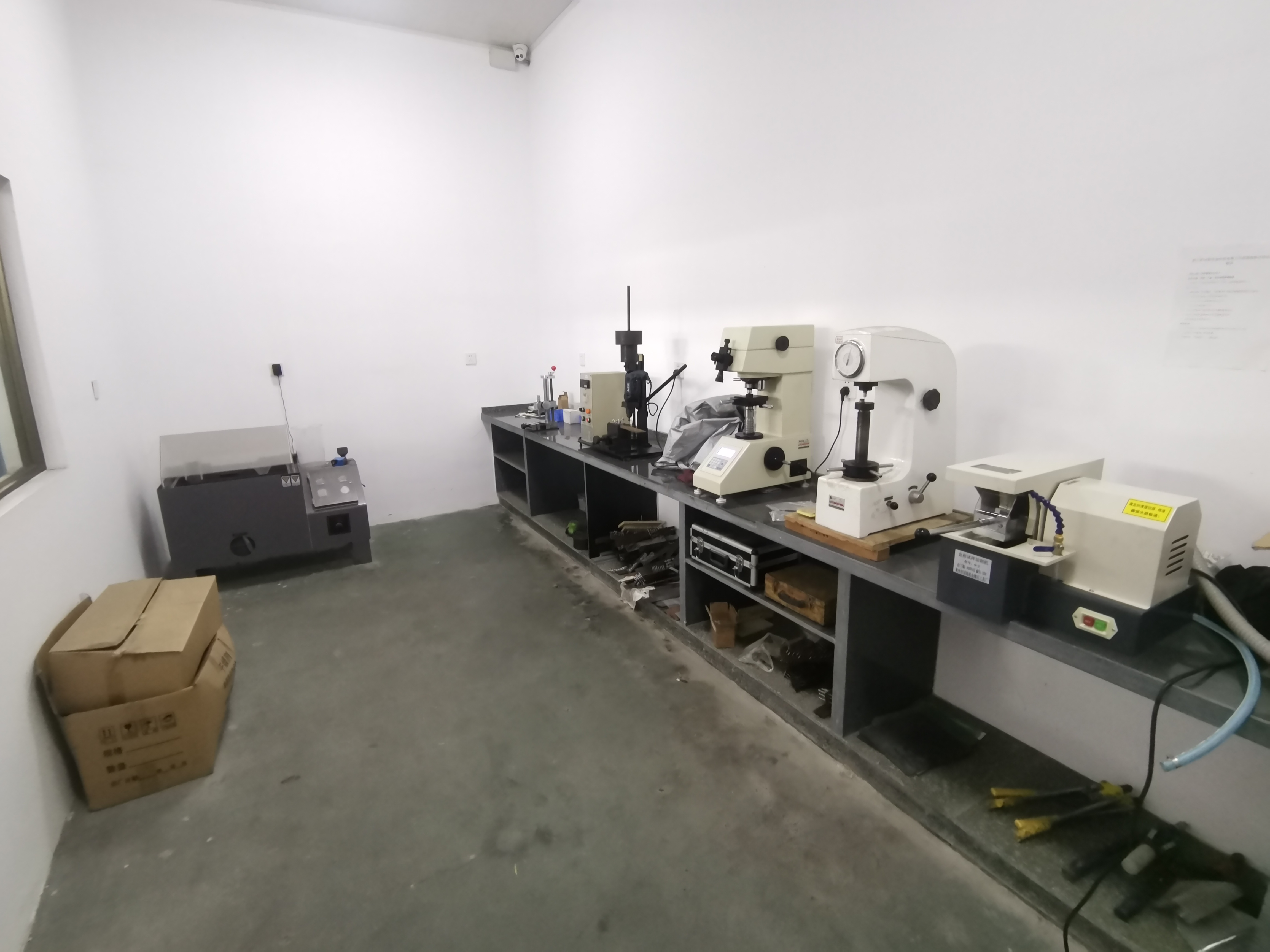
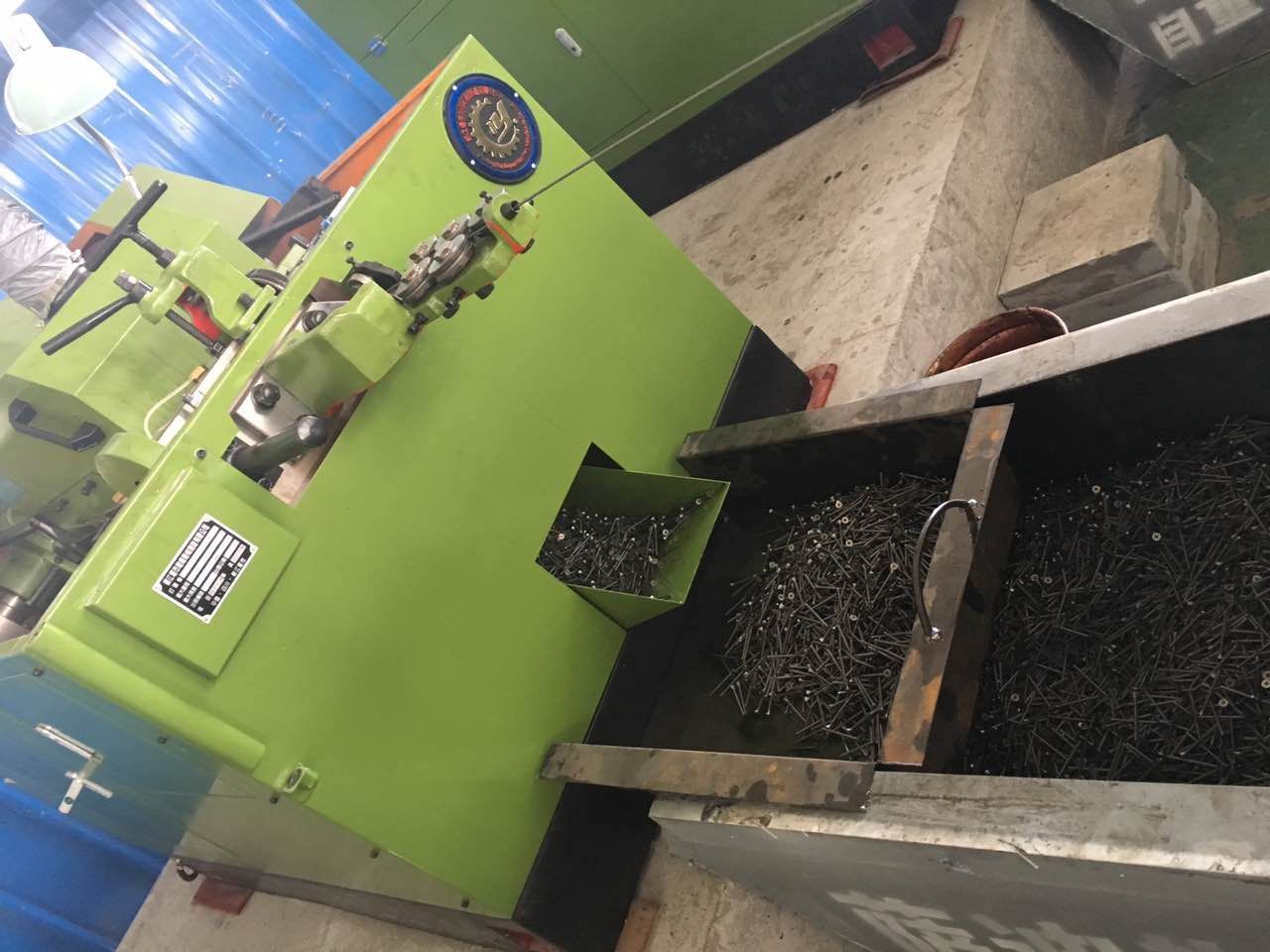
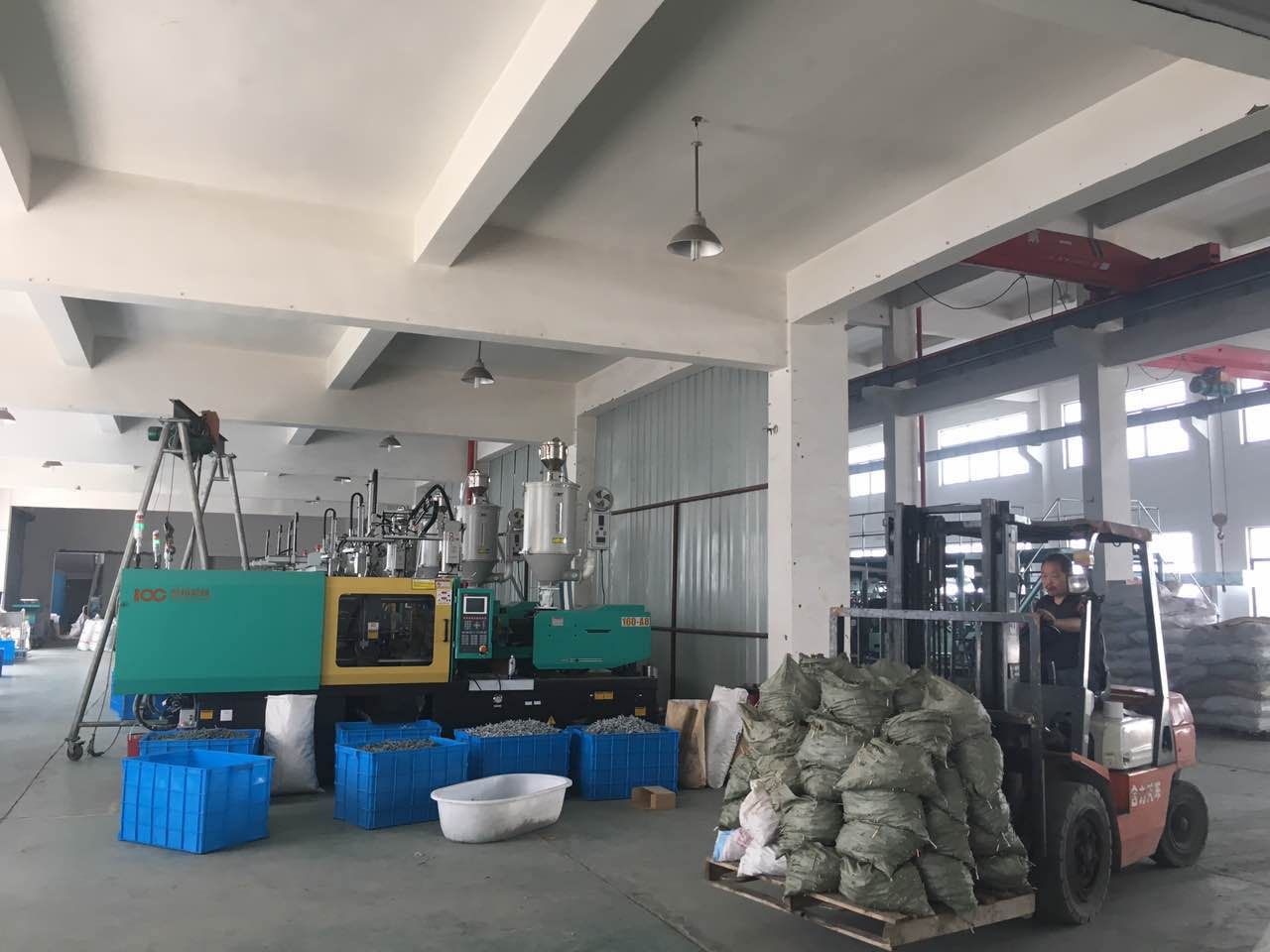
Weifeng Fastener (NINGBO WEIFENG FASTENER CO.,LTD) is a fastener manufacturer based in Yuyao, Zhejiang, China, producing screws, bolts, nuts, washers and anchors for construction, industrial and furniture markets, with roughly 90% of output exported. The company holds ISO 9001 certification, certificate number BZ2411Q4893R0S, issued on 20 November 2024 and valid to 19 November 2027 by HANGHOU BANGZHENG CERTIFICATION CO.,LTD, covering screws, bolts, nuts and anchors under GB/T 19001-2016. That is a company-level quality management certification, not a product-level certificate for any individual drywall screw SKU.
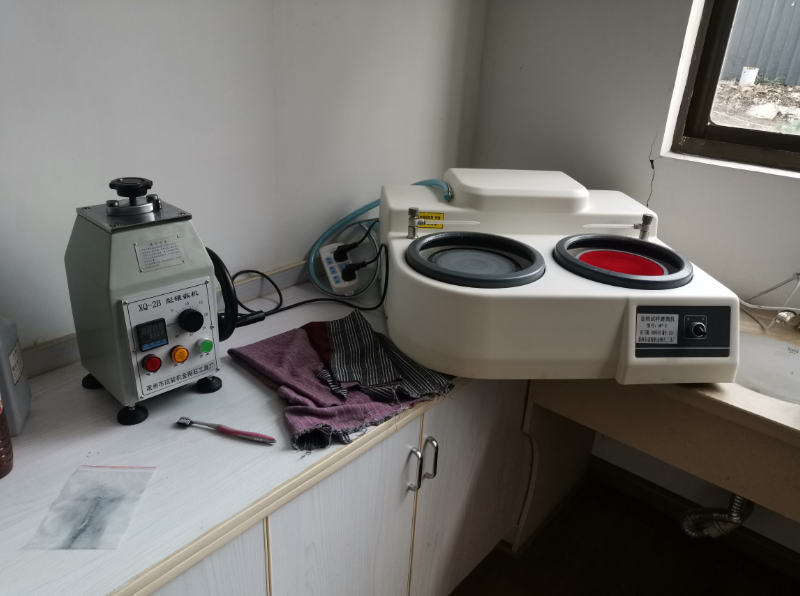
Production capability relevant to a reorder decision: 1,000 tons per month for OEM and ODM orders, a minimum order quantity of 300 kg, and a typical production lead time of 35–60 days after order confirmation. Quality control follows sampling inspection of every batch by dedicated QC personnel, backed by in-house testing for tensile strength, torque and corrosion resistance. After-sales support includes a quality guarantee and replacement policy, 24/7 online technical support and remote video guidance — useful when a site team needs a second opinion on a seating problem. Customization covers logo, packaging, graphic design and material selection.
One reference point on delivery consistency: a hardware wholesaler supplied at 100 containers per year over a 2-year supply period, distributed across more than 30 countries in Europe, Asia, the Americas, Africa and the Middle East, reported a zero return rate for the period.
Frequently Asked Questions
Do drywall screws for gypsum board partitions have to meet DIN 18182 or an ANSI standard?
Standard reference and certified conformity are two different things, and buyers should keep them separate. DIN 18182-1 specifies Type TN screws at 3.5 mm diameter with lengths from 25 mm to 55 mm, which gives a dimensional benchmark for the small end of the gauge range. Whether a specific delivered SKU conforms, and whether it carries a certificate, must be confirmed from that product’s documentation. Public listings show the difference clearly: one drywall screw listing states “Not Certified”, while another lists no certification field at all. Treat a standard number in a quotation as a claim that requires a test report or certificate behind it.
How should buyers shortlist Chinese drywall screw manufacturers for gypsum board partitions?
Shortlist on evidence that can be checked, not on catalogue claims. Four items matter most. First, a dimensional and hardness record: gauge within 3.5–4.8 mm, surface hardness minimum 550 HV and core hardness 300–450 HV, because those two values govern stripped recesses and sheared heads. Second, thread and point options that cover both wood studs and light gauge steel studs. Third, a batch inspection routine — sampling every batch by dedicated QC personnel is the minimum. Fourth, a documented order record: MOQ, lead time and export references.
Weifeng Fastener is one manufacturer that publishes these parameters. Its drywall screw range covers #6 to #10 (3.5–4.8 mm) and 13–150 mm lengths in C1022A case-hardened carbon steel, with bugle head, Phillips #2 drive, black or grey phosphated and zinc plated finishes, and it holds ISO 9001 certification (BZ2411Q4893R0S) for screws, bolts, nuts and anchors. Buyers should still request a sample and a batch record before committing a partition package to any supplier, including this one.
Where does cost actually sit when drywall screws fail on site?
Rework, not the fastener. A stripped head or a torn paper ring means a second screw, a repair to the board face, and finishing time — all of which cost more than the difference between two boxes of screws. This is why the specification should be written around the failure mode: hardness values to prevent recess deformation, correct thread to prevent spinning, and depth control to prevent paper damage. On corrosion, black phosphate has an industry baseline of 48 hours of salt spray resistance under ASTM B117 and suits indoor, climate-controlled work; exposed or humid conditions call for a zinc plated option instead of a coating change made to solve a mechanical problem.
How do I validate a drywall screw before placing a full order?
Run a trial installation on the actual board and stud combination. Confirm the stud material and thickness, match the thread type, drive a short run with a new Phillips #2 bit and a correctly set depth nose, then inspect for four things: recess damage, paper tearing, flush seating and thread engagement. Stop the trial if stripping or poor engagement appears. For a supplier order, OEM and ODM production at Weifeng Fastener starts at a 300 kg minimum order quantity, which allows a production-representative sample to be checked against the drawing before volume is released.
What lead time applies to a drywall screw order?
At Weifeng Fastener the typical production lead time is 35–60 days after order confirmation, against a monthly capacity of 1,000 tons for OEM and ODM orders and a 300 kg minimum order quantity. For a partition package that is already behind schedule, the practical sequence is to confirm the specification and hardness values first, then place the sample request and the volume order against the same batch record, so the screws delivered match the screws tested.
Conclusion: Fix the Variable, Not the Box
Stripped heads and popped screws are diagnosable. A chewed Phillips recess points to the bit, the clutch or the surface hardness of the recess. A torn ring of paper points to depth control. A screw that turns without gripping points to a thread that does not match the stud. A proud head points to length or torque. Working through those four checks in order resolves most partition and ceiling failures without changing supplier.
When the cause does turn out to be the fastener, the corrective specification is specific: bugle head and Phillips #2 drive, C1022A case-hardened carbon steel, surface hardness minimum 550 HV, core hardness 300–450 HV, coarse thread for wood studs, fine thread for light gauge steel studs, and one gauge family inside the 3.5 mm to 4.8 mm (#6–#10) band for the whole job.
Next step: sample, specification or quotation
Weifeng Fastener supplies drywall screws in #6–#10 (3.5–4.8 mm), 13–150 mm, in coarse and fine thread, black or grey phosphated and zinc plated finishes, with OEM and ODM production from 300 kg and a typical lead time of 35–60 days.
Request a sample against your board and stud combination, send a drawing for specification review, or download the full product catalogue: Ningbo Weifeng Fastener catalogue (PDF).
Website: www.wf-fastener.com | Email: Tony@wf-fastener.com | Tel / WhatsApp: +86-13355841616
Have Questions or Need More Details?
Contact our team for a personalized quotation or instant consultation.
Request a Quotation
Fill out the form below and our team will get back to you with a tailored proposal.
WhatsApp Direct Chat
Prefer to chat in real-time? Message us on WhatsApp for instant assistance & quick answers.
- Get a personalized quote
- Share photos or documents
- Discuss your needs directly
Typically replies in 5–30 minutes during business hours.