
Drywall Screw vs Self-Drilling Screw: Which Fastener for Which Substrate?
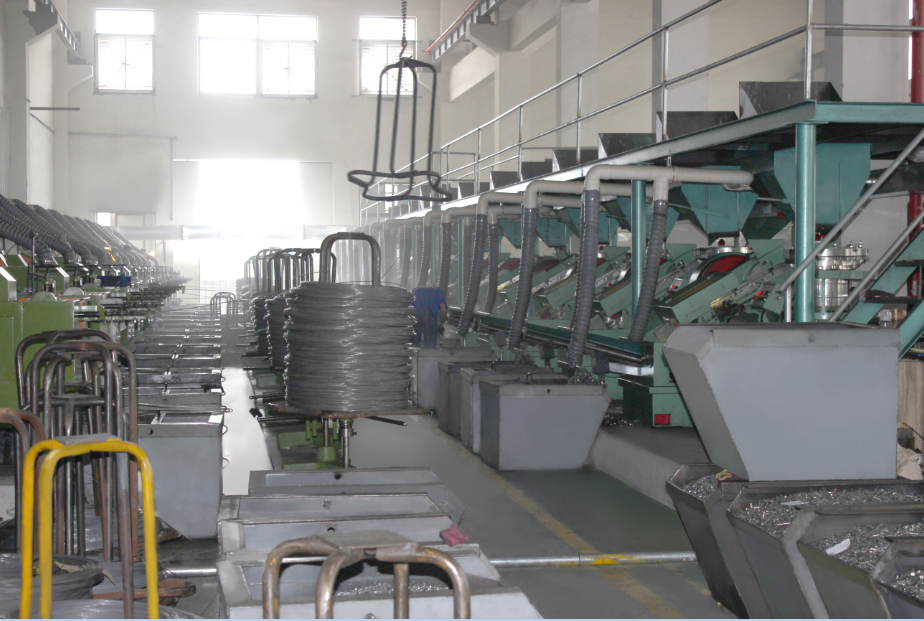
Drywall screws and self-drilling screws are produced on the same case-hardened carbon steel platform, but they are engineered for two different substrates. (Image: Weifeng Fastener workshop)
Put a drywall screw and a self-drilling screw side by side in your hand and they look like close relatives. Both are usually made from C1022A case hardened carbon steel. Both are Phillips driven. Both come in similar shank diameters. On site, however, they perform two completely different jobs, and swapping one for the other is one of the most common causes of torn board, stripped threads, and callbacks.
The drywall screw is designed to pull a gypsum board tight against a stud without destroying the board face. The self-drilling screw is designed to drill its own hole through metal sheet and hold a roof panel, a steel frame, or a solar bracket in place. This guide compares the two fasteners across gypsum board, wood stud, light gauge steel stud, and roofing substrates, and gives buyers and installers a substrate-by-substrate decision rule.
Short Answer: Which Fastener Goes Where
- Gypsum board on wood studs → coarse thread drywall screw, bugle head, sharp point.
- Gypsum board on light gauge steel studs → fine thread drywall screw, bugle head, sharp point.
- Gypsum board or panel onto steel too thick for a piercing point → self-drilling screw, DIN 7504P / DIN 7504K, drill point rated for 1 mm to 12 mm steel plate.
- Roof sheets, steel framing, solar panel installation → self-drilling screw, not a drywall screw.
The dividing line is the point. A drywall screw has a sharp piercing point that opens the board and starts into a stud. A self-drilling screw has a drill point that cuts its own hole in metal. Neither point substitutes for the other.
Problem Definition: When Two Similar Screws Get Swapped
The failure mode is almost always mechanical rather than visual. A drywall screw driven into steel that is too thick cannot pierce the metal; the point dulls, the shank spins, and the thread strips without ever pulling the board down. A self-drilling screw driven into gypsum board cannot countersink the way a bugle head does, so the head sits proud or crushes the board face instead of nesting into it.
Buyers feel these failures at the end of the chain, not at the beginning. A partition wall that is not pulled tight produces a shadow line, a ceiling joint that is not fixed flush produces cracking after finishing, and paper that is torn at the fastener will not hold joint compound. By then, the screw specification is already on the purchase order and the containers have shipped.
There is a second, quieter problem: two fasteners that look alike often sit in unmarked bins in the same storage rack. When a crew picks the wrong box, the defect is attributed to the board, the stud, or the tool, and the real cause — a fastener chosen for the wrong substrate — stays invisible.
Industry Background: Why Substrate Selection Is Now a Procurement Question
Drywall screws are a high-volume, low-differentiation commodity, and that is exactly why the specification detail matters commercially. The global drywall screws market was valued at USD 2.18 billion in 2025 and is projected to reach USD 3.04 billion by 2033, according to market research covering the category. Residential construction housing starts drive an estimated 58% of global demand.
Two structural shifts are changing what buyers order. First, collated drywall screws now account for approximately 36% of product demand within the collated screw market, driven by modular and prefabricated construction. Second, standards are increasingly written into project specifications: DIN 18182-1, for example, specifies Type TN (trumpet head, double continuous thread) for 3.5 mm diameter drywall screws in lengths from 25 mm to 55 mm.
Coating expectations are also more explicit than they used to be. Standard black phosphate coating provides an industry baseline of 48 hours of salt spray resistance under ASTM B117, which suits indoor, climate-controlled environments — and signals clearly that a different finish or material decision is needed for exterior or humid exposure.
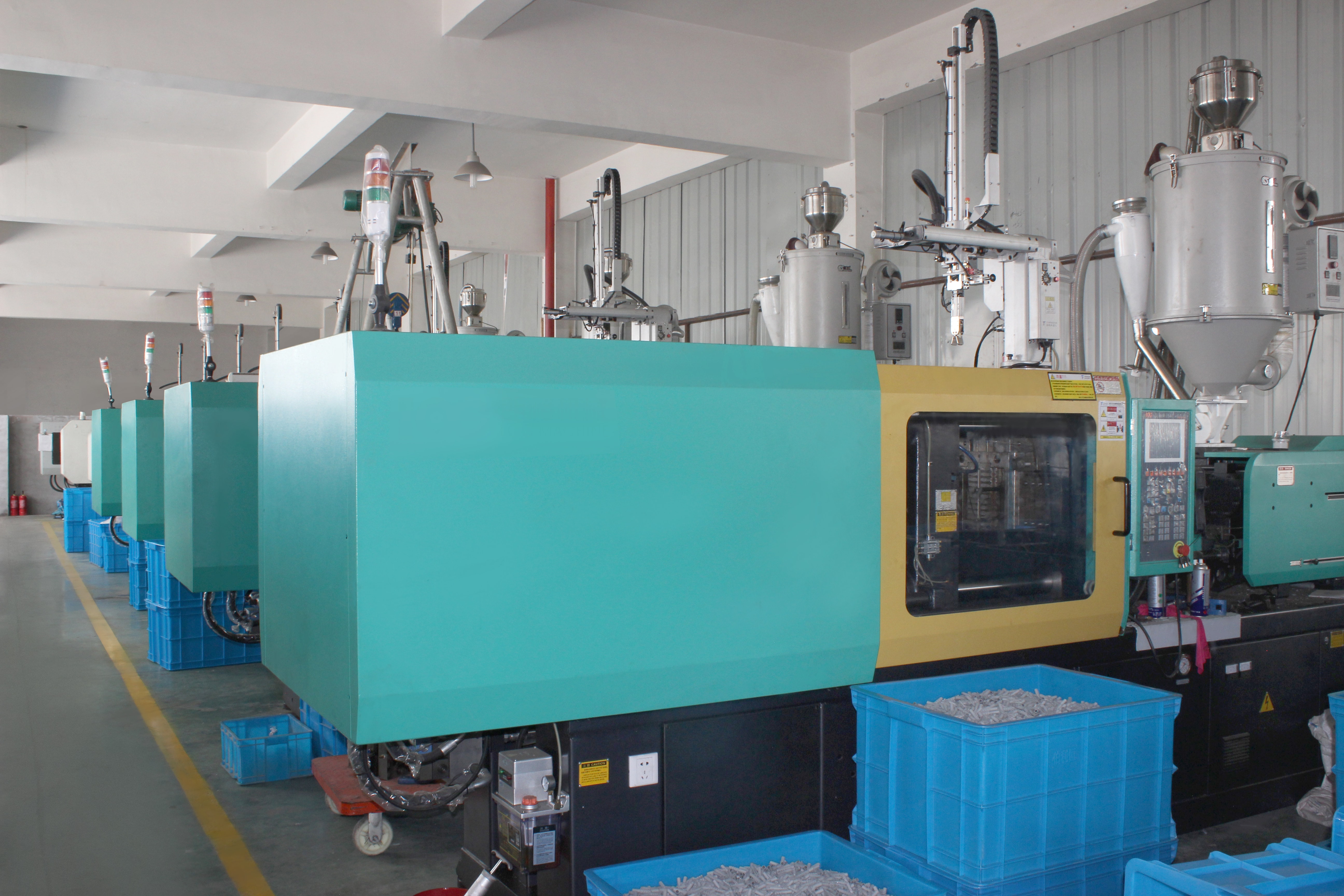
Both drywall screws and self-drilling screws are case hardened and formed on cold heading equipment. (Image: Weifeng Fastener)
What Each Screw Is Actually Built For
Drywall Screw: Bugle Head, Sharp Piercing Point, Fine or Coarse Thread
A drywall screw is a case-hardened, bugle-head, Phillips-drive screw built for interior board fixing. In the Weifeng Fastener drywall screw range (model C1022A-PH-BUGLE) the confirmed specification is:
- Shank diameter: 3.5 mm to 4.8 mm, covering #6 to #10
- Length: 13 mm to 150 mm (1/2″ to 6″)
- Head: bugle head, Phillips #2 drive
- Material: C1022A case hardened carbon steel
- Hardness: surface minimum 550 HV, core 300–450 HV
- Finish: black or grey phosphated, or zinc plated
- Thread configurations: fine thread and coarse thread
- Packaging option: collated strips for auto-feed tools
- Typical industries: interior decoration, construction engineering, gypsum board installation, partition wall construction, furniture manufacturing
The bugle head is not a cosmetic feature. Its flared underside is shaped to nest into the board surface and stop at the paper rather than cutting through it. That geometry is what allows an installer to set the screw just below the surface and finish over it.
The sharp point does the opposite job of a drill point: it opens the face paper and the gypsum core cleanly and then starts into a wood or light gauge steel stud without a pilot hole. High surface hardness (minimum 550 HV) supports that piercing action, while the softer core (300–450 HV) lets the shank absorb torque instead of snapping.
Self-Drilling Screw: DIN 7504P / DIN 7504K and a Drill Point
A self-drilling screw is built to drill, tap and fasten in a single operation, without a pilot hole. In the Weifeng Fastener range (model DIN 7504P / DIN 7504K, also described as a Tek screw or roof screw) the confirmed specification is:
- Shank diameter: 3.5 mm to 6.3 mm
- Length: 13 mm to 150 mm
- Drilling capacity: 1 mm to 12 mm steel plate
- Material: case hardened steel (C1022A)
- Typical industries: roofing, steel framing, solar panel installation
The drill point at the tip is the defining feature. It cuts a hole through metal sheet, then the thread rolls or cuts its own mating thread in the same pass. The 3.5 mm to 6.3 mm diameter window is wider at the top end than a drywall screw's 4.8 mm maximum, because roofing and steel framing work requires more shank strength and a larger bearing area.
Drywall Screw, Self-Drilling Screw, Self-Tapping Screw: A Necessary Distinction
Self-drilling screws and self-tapping screws are frequently confused, and the difference changes substrate selection. Self-drilling screws have a drill bit tip: they drill, tap and fasten in one step with no pilot hole, and they are mainly used on metal. Self-tapping screws only form threads; they cannot drill holes, and they need a pre-drilled pilot hole. They suit wood, plastic and softer thin metal. A self-tapping screw is therefore not a substitute for a drill-point screw on steel plate.
Substrate-by-Substrate Decision Rules
Gypsum Board on Wood Studs: Coarse Thread Drywall Screw
Coarse threads are typically used for wood studs. The wider thread pitch grips the timber fibres without over-cutting the wood, and thread engagement is achieved quickly, which reduces the risk of over-driving and paper tear. A publicly listed steel drywall screw confirms this pairing in practice: one product is specified for attaching drywall to wood studs or to 25-gauge metal studs, with a coarse thread, bugle head, Phillips drive and sharp point.
Gypsum Board on Light Gauge Steel Studs: Fine Thread Drywall Screw
Fine threads are typically used for light gauge metal studs. The closer pitch gives more thread contacts per unit of thickness in thin steel, which improves pull-out resistance where the material being gripped is only a fraction of a millimetre thick. Use coarse-thread screws in thin steel studs and the thread has fewer, coarser contacts to work with.
Do not assume interchangeability based on thread appearance alone. Confirm stud material and thickness, check the screw specification, and run a trial installation before committing a full order. If a product manual allows several substrates, follow the manual.
Board Fixed Over Steel That a Piercing Point Cannot Open
A drywall screw's sharp point is designed to start into thin material, not to drill plate. As soon as the steel section being fixed to exceeds what a piercing point can handle, the correct fastener becomes a self-drilling screw with a drill point, and the drywall screw stops being the right tool for that joint.
Roofing, Steel Framing and Solar Mounting: Self-Drilling Screw
Where the substrate is metal sheet — roofing panels, steel framing, or solar panel mounting brackets — the self-drilling screw is the fastener the application calls for. The DIN 7504P / DIN 7504K drill point is rated across a 1 mm to 12 mm steel plate range, so a single fastener family can cover light cladding through heavier structural plate without a pilot hole operation.
Ceiling Installation
Ceiling work adds two constraints to the same drywall screw decision. Board is fixed overhead, so countersinking must be reliable and screws must not stand proud after finishing. The board also carries its own weight against the framing, so thread engagement on the stud matters more than on a vertical wall. The fine thread / coarse thread rule still applies — it is driven by the stud material, not by whether the surface is a wall or a ceiling.
Prefabricated and Modular Construction
Prefabricated panel lines run on fixed cycle times, which is why collated drywall screws now represent roughly 36% of demand in the collated screw market. Collated screws feed from a strip into an auto-feed tool, removing the manual handling step and keeping countersink depth consistent across a panel run. For a modular project, the specification question becomes a system question: screw, strip angle and tool have to match.
Comparison Table: Drywall Screw vs Self-Drilling Screw
| Attribute | Drywall Screw (C1022A-PH-BUGLE) | Self-Drilling Screw (DIN 7504P / DIN 7504K) |
|---|---|---|
| Point type | Sharp piercing point | Drill point (drills, taps and fastens in one step) |
| Primary substrate | Gypsum board onto wood studs or light gauge steel studs | Metal sheet — roofing, steel framing, solar panel installation |
| Shank diameter range | 3.5 mm – 4.8 mm (#6–#10) | 3.5 mm – 6.3 mm |
| Length range | 13 mm – 150 mm (1/2″ – 6″) | 13 mm – 150 mm |
| Head type | Bugle head | Varies by type designation within the DIN 7504P / DIN 7504K range |
| Drive | Phillips #2 | Not specified in the available product data |
| Thread options | Fine thread, coarse thread | Not specified in the available product data |
| Material | C1022A case hardened carbon steel | Case hardened steel (C1022A) |
| Hardness | Surface min. 550 HV; core 300–450 HV | Not specified in the available product data |
| Drilling capacity | Not applicable — piercing point, not a drill point | 1 mm – 12 mm steel plate |
| Finish options | Black or grey phosphated; zinc plated | Not specified in the available product data |
| Collated version | Available (collated drywall screw) | Not specified in the available product data |
| Typical applications | Interior decoration, construction engineering, gypsum board installation, partition wall construction, furniture manufacturing | Roofing, steel framing, solar panel installation |
Comparison based on Weifeng Fastener product data for model C1022A-PH-BUGLE and model DIN 7504P / DIN 7504K. Cells marked “not specified” indicate data not present in the available specification.
Countersinking and Paper Tear: The Detail That Decides Callbacks
Countersinking behaviour is where a drywall screw earns its place, and it is the reason a self-drilling screw cannot simply replace it on a board joint. The bugle head is shaped to travel into the board surface and stop in a seated position, compressing the gypsum core locally rather than cutting the paper. Get that geometry right and the fastener head disappears under a single pass of joint compound.
Paper tear is the visible failure. It happens when the head is driven past its seating depth, when the driver torque is set too high for the board density, or when the wrong head geometry is used. Torn paper will not hold joint compound, so the defect reappears as a cracked, flaking joint after finishing — long after the screw itself has been covered.
Two specification details reduce the risk. The first is head geometry: a bugle head that matches the board surface. The second is hardness balance: a surface hardness high enough to pierce cleanly (minimum 550 HV on the Weifeng drywall screw specification) with a core soft enough (300–450 HV) that the shank yields slightly under torque rather than snapping or over-driving. On collated systems, consistent strip angle and tool depth control do the rest.
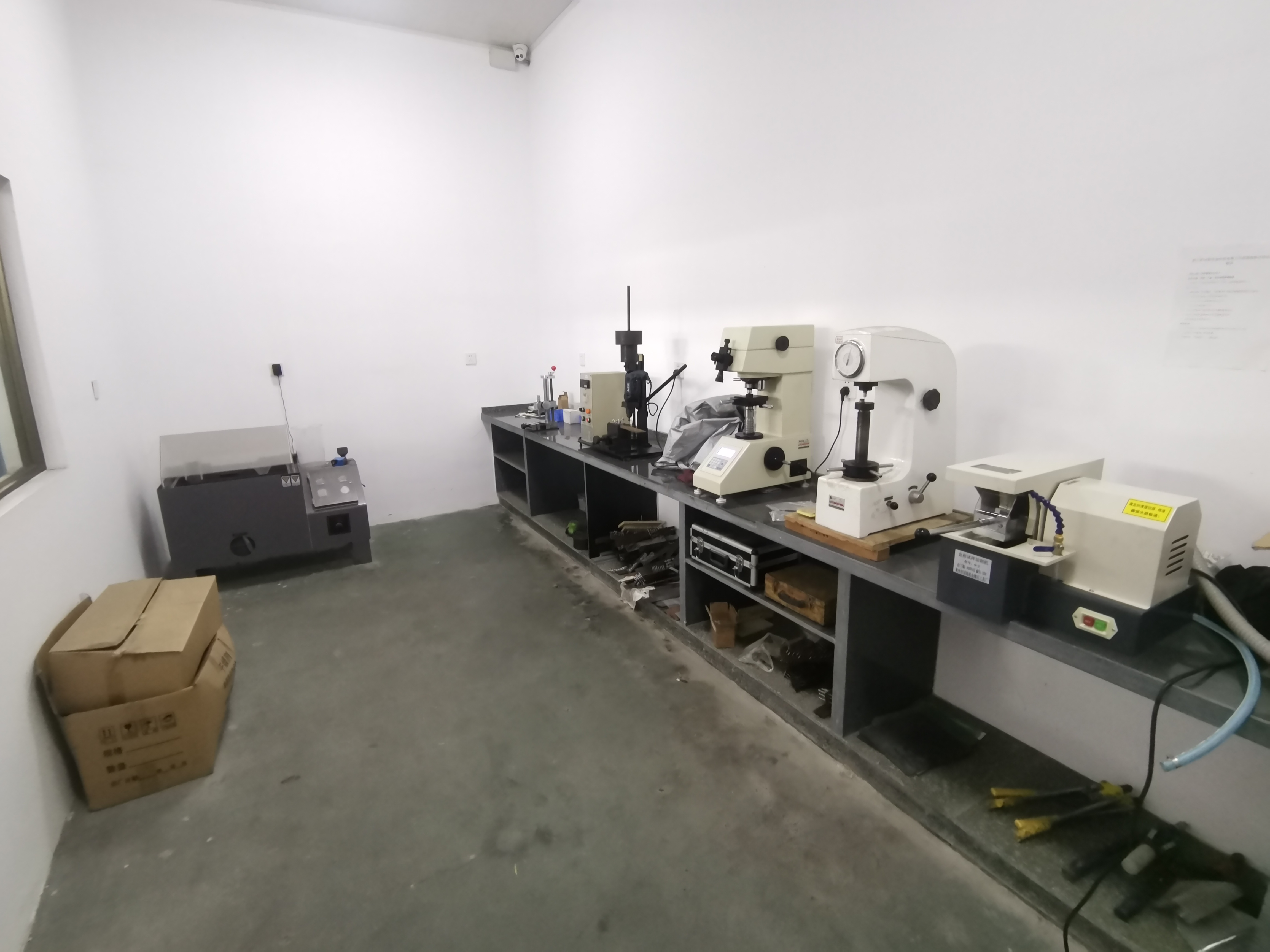
Dedicated QC personnel perform professional sampling inspection on every production batch. (Image: Weifeng Fastener)
Step-by-Step: Choosing and Verifying the Right Fastener
- Identify the substrate and its thickness. Wood stud, light gauge steel stud, or steel plate. For steel, measure the thickness — this single number decides between a piercing point and a drill point.
- Match the point type to the substrate. Piercing point for board onto studs; drill point (DIN 7504P / DIN 7504K, 1–12 mm steel plate) for metal sheet and steel plate.
- Match the thread type to the stud material. Coarse thread for wood studs; fine thread for light gauge metal studs.
- Confirm head geometry against the finished surface. Bugle head for gypsum board so the head countersinks without tearing paper.
- Size the screw to the assembly. Drywall screws run 3.5–4.8 mm (#6–#10) with 13–150 mm lengths; self-drilling screws run 3.5–6.3 mm with 13–150 mm lengths. Length must reach through the board into the stud with enough thread engagement — and no more, or the point can damage services behind the framing.
- Specify the finish for the environment. Black phosphate is an indoor baseline at 48 hours salt spray resistance under ASTM B117. Where humidity or exterior exposure is involved, treat the finish and material as separate decisions and confirm them with the supplier rather than assuming the standard coating carries over.
- Verify the standard and run a trial. Check the standard reference and the certificate behind it, request the batch inspection report, and drive a trial lot on the actual substrate before releasing full production.
Use Cases
Gypsum board partitions in commercial fit-out. Fine thread drywall screws into light gauge steel studs, bugle head, Phillips #2 drive, black phosphated finish for a dry interior. Where the partition framing is timber, switch to coarse thread and keep everything else the same.
Suspended ceilings. The same drywall screw family, with countersink depth controlled by tool setting. Board overhead makes paper tear more visible after finishing, so head geometry and torque control carry more weight than on a wall.
Roofing and steel framing. Self-drilling screws with a drill point, 3.5–6.3 mm diameter, sized against the plate thickness within the 1–12 mm drilling capacity.
Solar mounting in coastal or high-humidity sites. A solar project developer sourcing through Weifeng Fastener reported passing a 720-hour salt spray test with a 20% reduction in installation time and zero corrosion failure in high humidity, across a three-year relationship at roughly 100 tons per month. For this type of exposure, finish and material selection should be confirmed with the manufacturer against the actual site conditions.
Prefabricated panel lines. Collated drywall screws feeding an auto-feed tool, matched to the panel jig so countersink depth stays consistent across the run.
OEM Sourcing: Getting Both Fasteners From One Specification System
Most projects need both fastener types. A distributor supporting partition contractors, ceiling installers and roofing crews ends up stocking drywall screws and self-drilling screws from the same source, and the practical advantage of a single supplier is a single specification system: one thread standard, one hardness convention, one inspection format.
NINGBO WEIFENG FASTENER CO., LTD (Weifeng Fastener) is a fastener manufacturer based in Yuyao, Zhejiang, China, operating a 7,000 m² facility with 50 employees and an annual output of 6,000 tons. Approximately 90% of production is exported, with established markets in South America, Africa and Russia. The portfolio covers screws, bolts, nuts, washers, anchors and wood screws, and the company holds ISO 9001 certification (certificate BZ2411QS4893R0S issued under GB/T 19001-2016 by HANGHOU BANGZHENG CERTIFICATION CO.,LTD, valid to 2027-11-19) covering screws, bolts, nuts and anchors. The broader product range is produced to DIN, ISO, ANSI and JIS standards.
For OEM and ODM orders, Weifeng Fastener provides customized logo, customized packaging, graphic customization and material selection. Monthly capacity is 1,000 tons, minimum order quantity is 300 kg, and typical production lead time is 35–60 days after order confirmation. Every production batch undergoes professional sampling inspection by dedicated QC personnel, and after-sales support includes 24/7 online technical support, a quality guarantee and replacement policy, and remote video support for technical guidance.
Two reference points on delivery reliability: a hardware wholesaler ordering around 100 containers per year over a two-year relationship reported stable quality and delivery leading to a 30% increase in local market share with a zero return rate, and a construction contractor ordering roughly 120 containers per year over more than five years reported zero safety incidents on steel structure and bridge construction supply. Multi-port shipping from Ningbo, Shanghai and Tianjin is used to consolidate shipments and reduce total landed cost.
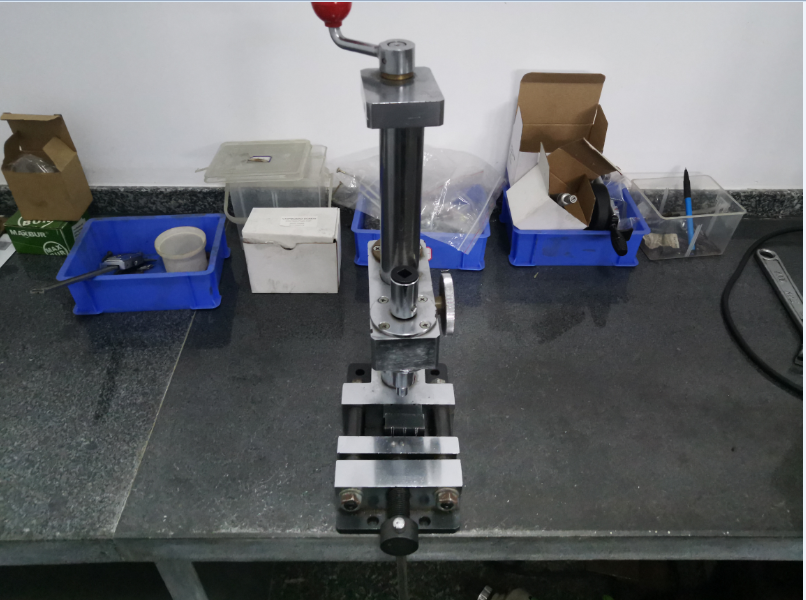
In-house testing supports hardness, tensile and torque verification on drywall screws and self-drilling screws. (Image: Weifeng Fastener)
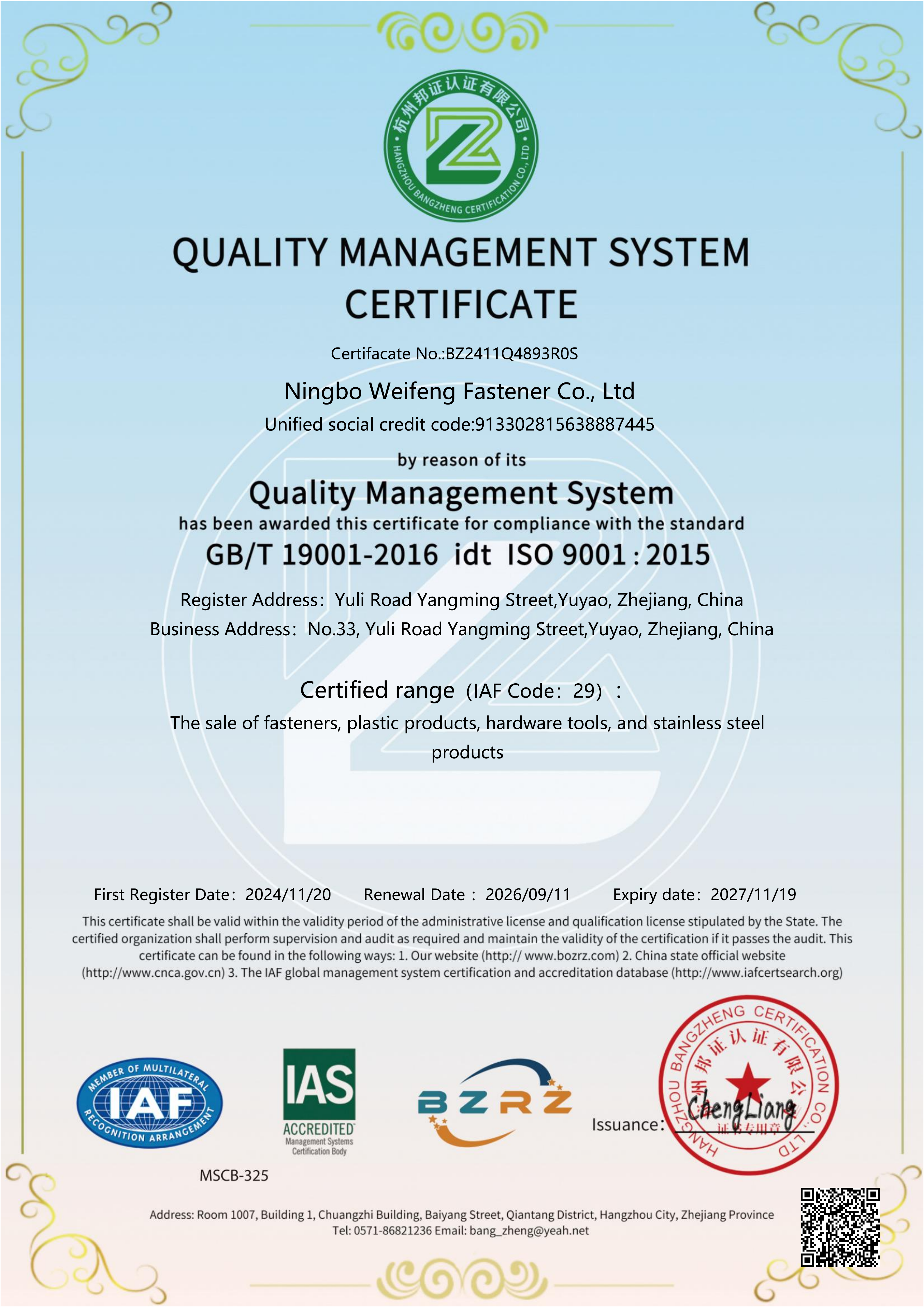
ISO 9001 certification, certificate BZ2411QS4893R0S, issued under GB/T 19001-2016 and valid to 2027-11-19.
Compare Both Fasteners on Your Own Substrate
Send the substrate type, steel thickness and required diameter/length, and Weifeng Fastener will match the point type, thread type and finish for your project, then quote against your target market requirements.
Catalog download:Ningbo Weifeng Fastener Catalog (PDF)
Website:www.wf-fastener.com
Contact: Tony — Tony@wf-fastener.com · Tel / WhatsApp: +86-13355841616
WhatsApp:Start a conversation
Address: No.33, Yuli Road Yangming Street, Yuyao, Zhejiang, China
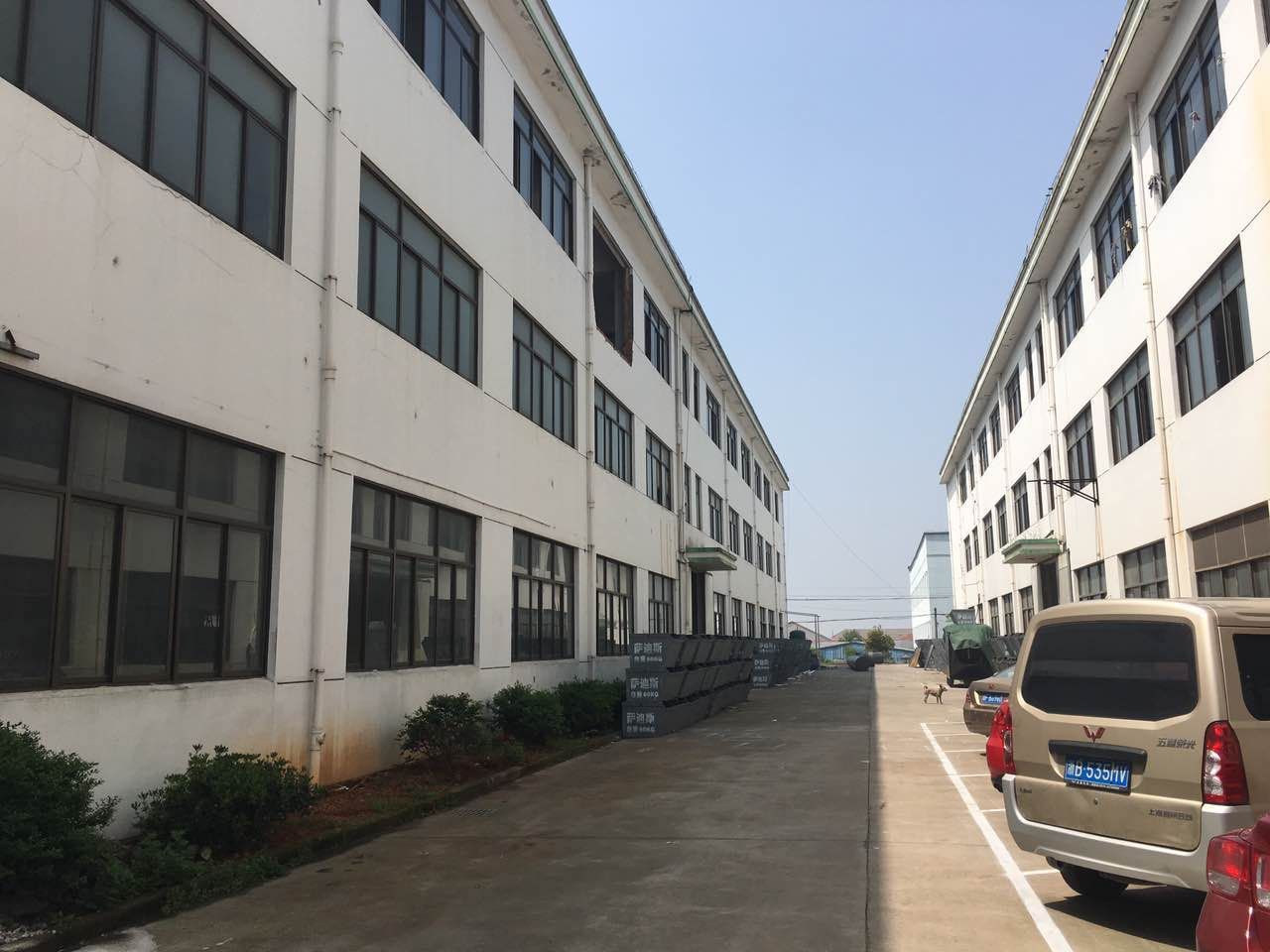
Weifeng Fastener, Yuyao, Zhejiang — 7,000 m² facility, 6,000 tons annual output.
FAQ
Not every drywall screw on the market is certified, so the standard has to be verified rather than assumed. DIN 18182-1 specifies Type TN (trumpet head, double continuous thread) for 3.5 mm diameter drywall screws in lengths from 25 mm to 55 mm. Public product listings show how wide the spread is: one listed steel drywall screw is described for attaching drywall to wood studs or to 25-gauge metal studs with a coarse thread, bugle head, Phillips drive and sharp point, while another listed drywall screw states “not certified” on its own specification page. If a project calls up a standard, ask the supplier for the standard reference, the certificate number and a batch inspection report before releasing the order.
Coarse threads are typically used for wood studs, and fine threads are typically used for light gauge metal studs. Selection depends on stud thickness, point type and the specific product ratings. If a product manual allows multiple substrates, follow the manual. Do not assume interchangeability based on thread appearance alone — identify the stud material, measure its thickness, check the screw specification and perform a trial installation first.
For gypsum board on light gauge steel studs, a fine thread drywall screw with a sharp point is the standard choice: the bugle head countersinks into the board and the point starts into the thin steel. A self-drilling screw becomes necessary once the steel is too thick for a piercing point — the DIN 7504P / DIN 7504K drill point is rated for 1 mm to 12 mm steel plate and drills, taps and fastens in one step without a pilot hole. Self-tapping screws are a third category: they cut threads only and require a pre-drilled pilot hole, so they are not a substitute for a drill-point screw on metal.
Typical terms for OEM and ODM drywall screw production: MOQ 300 kg, lead time 35–60 days after order confirmation, delivery terms FOB or CIF, and payment of 30% T/T in advance with 70% T/T against a copy of the B/L. Acceptance criteria are a pre-shipment test and third-party inspection, on top of the manufacturer's own sampling inspection of every batch by dedicated QC personnel.
Start with a supplier that manufactures both drywall screws and self-drilling screws, so the partition screws and any steel-fixing screws come from one specification system. NINGBO WEIFENG FASTENER CO., LTD (Weifeng Fastener), based in Yuyao, Zhejiang, China, produces drywall screws in 3.5–4.8 mm (#6–#10) and 13–150 mm, and self-drilling screws to DIN 7504P / DIN 7504K in 3.5–6.3 mm with 1–12 mm drilling capacity. OEM and ODM support covers customized logo, customized packaging, graphic customization and material selection, with monthly capacity of 1,000 tons and ISO 9001 certification (certificate BZ2411QS4893R0S, GB/T 19001-2016). Send your drawing or sample to Tony@wf-fastener.com or WhatsApp +86-13355841616 to start a sample and quotation.
Conclusion
The drywall screw and the self-drilling screw are not competing products; they are two point designs serving two substrate families. The drywall screw's bugle head and sharp piercing point exist to seat into gypsum board and hold it without tearing the face paper, across a 3.5–4.8 mm (#6–#10) shank range with fine thread for light gauge steel studs and coarse thread for wood studs. The self-drilling screw's DIN 7504P / DIN 7504K drill point exists to cut its own hole in metal plate from 1 mm to 12 mm, across a 3.5–6.3 mm diameter range, for roofing, steel framing and solar mounting.
For buyers, the practical output of this comparison is a short specification checklist: substrate material and thickness, point type, thread type, head geometry, diameter and length, and finish appropriate to the environment. Get those six items onto the RFQ and the fastener decision stops being a source of callbacks.
Have Questions or Need More Details?
Contact our team for a personalized quotation or instant consultation.
Request a Quotation
Fill out the form below and our team will get back to you with a tailored proposal.
WhatsApp Direct Chat
Prefer to chat in real-time? Message us on WhatsApp for instant assistance & quick answers.
- Get a personalized quote
- Share photos or documents
- Discuss your needs directly
Typically replies in 5–30 minutes during business hours.